
Frostiest Cannabis Strains: What Heavy Trichome Coverage Can—and
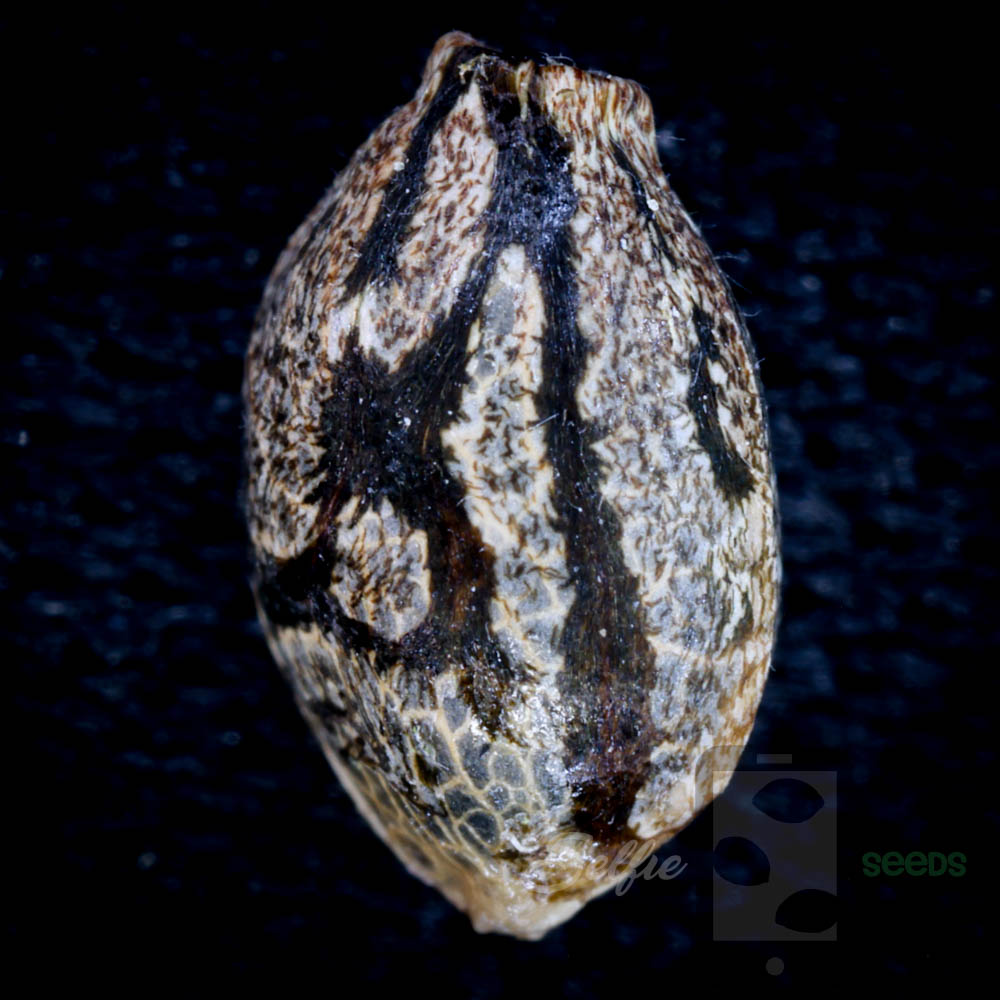
The frostiest cannabis strains are the plants whose flowers appear heavily coated with visible resin glands, commonly called trichomes. That visual coverage matters to us in a hunt: it can signal a resin-forward plant worth inspecting more closely. It is not, however, a reliable stand-in for a lab result, a guaranteed THC percentage, or a promise that every seed from the same cross will express the same way.
Our position comes from selection work rather than a one-photo ranking. In one documented eight-strain hunt, HWGrow evaluated plants through harvest and prioritized THC/frost, yield, structure, foliage and ease of growing. The grower’s favorite for flavor, smell and effects was not necessarily the same plant identified as the overall winner—a useful reminder that “best” depends on the traits being weighted. [1]
What “frost” means on a cannabis flower
In grower language, frost means visible glandular trichomes on the flower and, often, on the small leaves around it. These glands are important sites of cannabinoid and terpene production; a peer-reviewed study reports that “cannabinoid metabolites, together with terpenes, are produced in glandular trichomes.” [3]
But a frosty photograph is not chemical analysis. Camera exposure, flash, macro focus, drying, and the amount of leaf left on the flower can all change the apparent whiteness of a bud. More importantly, visual coverage alone does not measure the concentration or full profile of cannabinoids and terpenes. Those values require analytical testing of the actual material, commonly using chromatographic methods such as HPLC or GC. [4]
Why the frostiest-looking flower is not automatically the strongest
There is a reasonable breeder’s logic behind selecting visibly resinous plants: trichomes are where much of the flower’s commercially important resin chemistry is made and stored. Still, “more visible frost” and “higher THC” are not interchangeable measurements.
- Trichome type and placement matter. Dense coverage on sugar leaves can create a dramatic image without telling you exactly what is present on the bracts/calyxes that make up most of the finished flower.
- Trichome maturity matters. Glands change through flower development, and their appearance is only one part of deciding when a plant is ready to harvest. [3]
- Resin quantity and resin chemistry are different questions. A plant may look exceptionally coated while another plant tests differently for total cannabinoids or presents a more appealing aroma.
- Phenotype and environment still shape the result. Seed-grown plants are individuals. Light, nutrition, plant health, harvest timing, drying and curing all affect what reaches the jar.
This is why we do not publish exact potency claims from appearance alone. “Frostiest” is useful as a visual and breeding-selection description; it is not a substitute for a batch-specific certificate of analysis.
How we select resin-forward parents
In the documented HWGrow strain hunt, visible frost was treated as a high-priority trait alongside yield, branch strength, training response, foliage and overall ease of cultivation—not as the sole definition of quality. [1] That approach is deliberate. A plant can be impressive under a macro lens yet be a poor keeper if it yields lightly, carries awkward structure, is difficult to manage, or does not deliver the aroma the grower wants.
For growers searching for the frostiest cannabis strains, that is the more useful buying framework: look for documented parent plants, then ask what else earned those plants a place in the breeding project.
Sugar Cane × Sweet Slurry: a documented resin-forward cross
Sugar Cane × Sweet Slurry was built around two parents selected in part for their heavy visible resin. The listed receiver/mother is Sugar Cane (identified as Strain 4 in the associated grow video), while the donor/pollen parent is Sweet Slurry (Strain 6), reversed from a clone using STS. The project documents different soil and hydro feed schedules for the two parents and describes the dried-and-cured parent flowers shown in its product materials. [2]
The listing also describes Sweet Slurry as carrying Dosidos × Purple Punch and Platinum × Slurricane ancestry, and notes an expectation that the family connection could produce especially frosty offspring. That is a breeding goal and a possibility—not a certainty. The same project documentation appropriately frames the outcome as variable: a grower may find an exceptional resin phenotype, but each seed is still a new combination of parental traits. [2]
In practical terms, this is a cross for phenotype hunting, not a claim that every plant will set a resin record.
Resin coverage versus resin quality
When we say a plant is resin-heavy, we are usually describing what we observed on the flower: density of visible glands, their distribution across the bud, and the sticky or oily character of the resin during handling. Those observations can be valuable for selection, particularly for growers interested in flower presentation or solventless processing.
They should still be kept separate from chemistry claims. A grower may prefer one plant because it is louder aromatically, easier to trim, or more pleasant after curing, even when another is visibly frostier. The documented hunt makes that distinction: its overall winner reflected the grower’s priority order, while a different strain remained the personal favorite for flavor, smell and effects. [1]
How to shop for resin-forward cannabis seeds
- Look for actual parent documentation. Parent photos, grow journals and harvest notes are more useful than generic “ultra-frosty” marketing.
- Check what was selected besides frost. Yield, plant structure, flower-to-leaf ratio, aroma and growability can determine whether a resinous plant is worth keeping.
- Know whether you are buying a selfed line or a cross. A selfed seed and a two-parent cross offer different kinds of phenotype exploration. See S1 Cannabis Seeds Explained for the limits and uses of selfing.
- Treat exact THC numbers cautiously. Unless the seller provides a relevant laboratory result for the tested batch, a visual claim is not a potency result.
- Expect variation from seed. Hunt more plants if your goal is to find the standout resin expression rather than simply grow a representative example.
Should you choose a True Selfie or a cross?
If your goal is the closest seed-based route back toward one standout female, start with True Selfies. They are intended for growers who want to explore variation around a specific selected mother, while still recognizing that seeds are not clones.
If your goal is to search for new combinations of resin, structure, yield and aroma, choose a cross such as Sugar Cane × Sweet Slurry. The honest expectation is not guaranteed frost on every plant; it is an opportunity to hunt a population made from two deliberately resin-forward parents.
Bottom line
The frostiest cannabis strains deserve attention because visible trichomes are a meaningful plant trait and a legitimate selection target. But the best resin-forward plant is rarely chosen on appearance alone. Use frost as the first signal, then weigh documented parentage, plant performance, aroma, flower structure and—where potency matters—actual laboratory data.
Sources & References
Source hierarchy prioritizes documented HWGrow/EVYGrows/SelfieSeeds experience. External evidence is supplemental where useful, with counterarguments included when relevant.
- [Owner Journal / First-Hand Record] Best Strain I Ever Grew
HowWeedGrow / HWGrow · HowWeedGrow · n.d.
Quoted source: ““The way I choose strains in order of importance is: 1. THC (Frost Levels)””
Supports / context: Documents the owner’s eight-strain hunt, the stated trait-priority order, and the distinction between the overall winner and the grower’s personal flavor/aroma/effects preference. - [HWGrow / Owner Source] Sugar Cane x Sweet Slurry
Selfie Seeds™ / HowWeedGrow · Selfie Seeds™ · n.d.
Quoted source: ““This cross will produce a combination of both of the parents.””
Supports / context: Documents the listed parent roles, lineages, STS reversal, grow documentation, resin-forward breeding goal, and the owner’s explicit acknowledgement of variable seed outcomes. - [Peer-Reviewed Journal] Cannabis glandular trichomes alter morphology and metabolite content during flower maturation
Livingston SJ, Quilichini TD, Booth JK, et al. · The Plant Journal · 2019
Quoted source: ““Cannabinoid metabolites, together with terpenes, are produced in glandular trichomes.””
Supports / context: Supports the explanation that glandular trichomes are key production sites for cannabinoids and terpenes, and that trichome properties change during flower maturation. - [Peer-Reviewed Journal] Cannabis Sativa L.: a comprehensive review on the analytical methodologies for cannabinoids and terpenes characterization
Micalizzi G, Vento F, Alibrando F, Donnarumma D, Dugo P, Mondello L · Journal of Chromatography A · 2021
Quoted source: ““GC and HPLC””
Supports / context: Supports the distinction between visual resin assessment and laboratory measurement of cannabinoid and terpene composition.
Related seeds for sale
Sweet Slurry x Mandarin Cookies · Sweet Slurry x Sugar Cane · Sugar Cane x Sweet Slurry · Sweet Slurry x GUTSO
Related Products


Sweet Slurry x Mandarin Cookies
$45.00 Ex Tax: $45.00


Sweet Slurry x Sugar Cane
$45.00 Ex Tax: $45.00


Sugar Cane x Sweet Slurry
$45.00 Ex Tax: $45.00


Sweet Slurry x GUTSO
$50.00 Ex Tax: $50.00