
Sweetest Cannabis Strains: How We Judge Candy, Berry & Fruit Aro
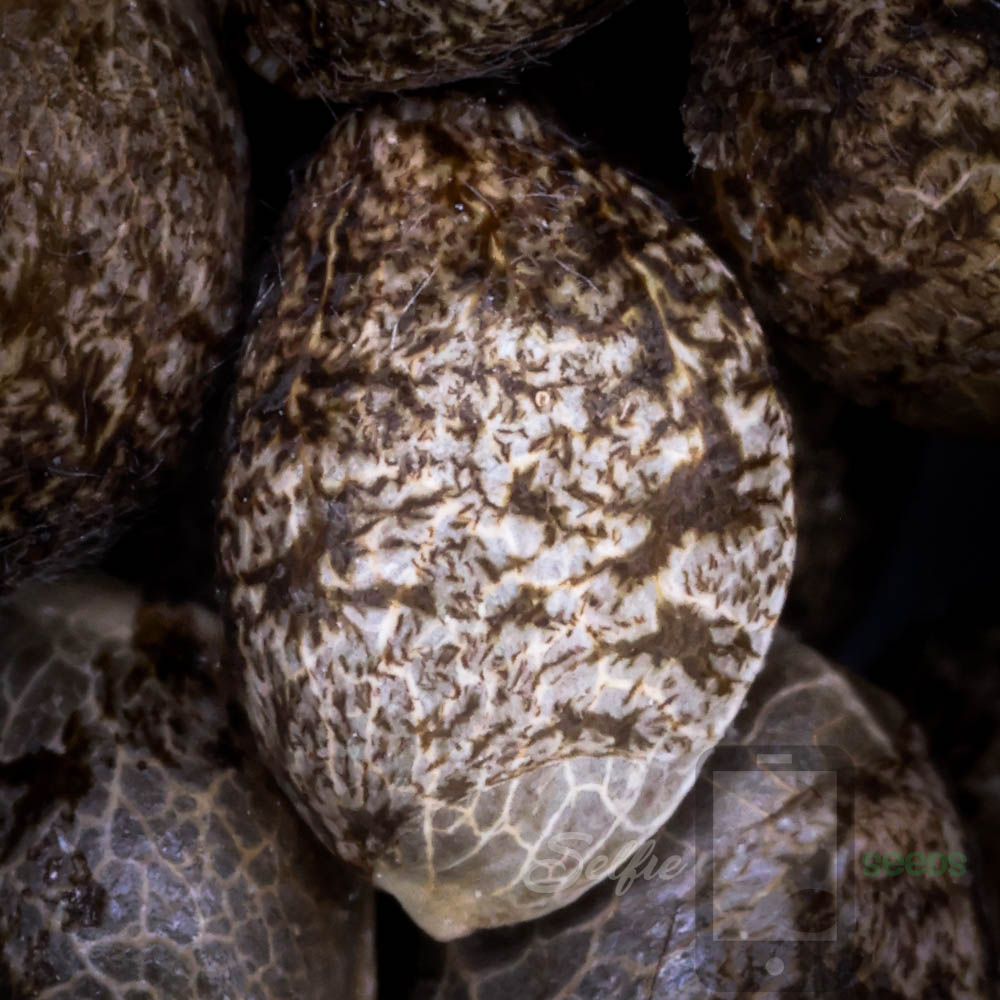
People looking for the sweetest cannabis strains are usually chasing a berry, candy, grape, strawberry or tropical-fruit direction. We do not treat those words as a universal ranking, and we do not promise that every seed-grown plant will smell the same. Our starting point is the phenotype we grew, selected and recorded—then the aroma and flavor it expressed after drying and curing.
In our own selection notes, Blueberry Sugar, Sweet Flurry and the Strawberry Sugar family are the clearest flavor-first places to start. That is an owner selection judgment based on our documented grows, not a laboratory finding that they are objectively sweeter than every cannabis cultivar.
What “sweet” means in cannabis
“Sweet” is a sensory description, not a single compound. One reviewer may write “blueberry candy,” while another calls a comparable sample grape, floral, creamy or mixed fruit. For a useful comparison, we look for a repeated fruit- or confectionery-like direction, note its intensity, and record whether it remains noticeable after cure.
Terpenes contribute to cannabis aroma, but a terpene panel cannot by itself prove that a flower will smell like candy, strawberry or blueberry. In a chemical-and-sensory study of cannabis ice-hash rosin extracts, samples with very different aroma descriptions often had similar terpene profiles; minor nonterpenoid odorants were strongly associated with distinctive sweet, savory and tropical notes. That does not make terpenes irrelevant—it means “sweet” is too complex to reduce to one terpene or a total-terpene number. [3]
For growers, the practical conclusion is simple: a seed name and a lab terpene list are starting points, not guarantees. Compare actual plants after similar drying, curing and storage conditions.
How we judge sweet cannabis strains
We use a consistent review process rather than a marketing flavor wheel. The HWGrow smoke-report method separates appearance, aroma, texture and cure, flavor, smoothness, experienced effects and overall preference. It also recommends neutral sample labels and independent notes for side-by-side comparisons. A smoke report records personal sensory experience; it is not laboratory testing for cannabinoids, contaminants, safety or volatile-compound identification. [1]
- Aroma twice: We note the container aroma, then the changes after the flower is broken up or ground.
- Plain-language descriptions: “Blueberry candy,” “strawberry,” “grape,” “tropical fruit” and “floral sweetness” are sensory observations. They are not claims that smell alone identified an exact chemical profile.
- Flavor and smoothness kept separate: A sample may taste sweet but feel harsh, or smoke smoothly while offering little flavor.
- Context retained: We record harvest or batch, cure age, storage, review conditions and, where possible, independent reviewer notes.
Our strongest sweet-genetics starting points
Blueberry Sugar
Blueberry Sugar is one of our clearest examples of a plant retained because the individual selection stood out. In our documented selection notes, the chosen phenotype leaned hard toward blueberry candy without the soapy character we had encountered in some other blueberry-leaning genetics. Dense, resinous flower also mattered in the decision; aroma was not the only selection criterion.
Sweet Flurry
Sweet Flurry combines Frozen Bag with Sweet Slurple. Our notes describe Sweet Slurple as a long-term favorite for berry-candy aroma, visible frost and straightforward growth. The cross was made to combine that observed sweet direction with the heavy resin production sought from the Frozen Bag parent. As with every cross, individual seed-grown plants can vary.
Strawberry Sugar family
The Strawberry Sugar family appears repeatedly in our breeding work because the selected parent showed a recognizable candy-strawberry direction in our grows. The related crosses explore different combinations around that parent; they do not guarantee that every plant will express the same strawberry note.
Our Sweet collection is a catalog for comparing current berry, fruit, candy and dessert-oriented offerings, with listings intended to provide parent, lineage and breeding-goal context. The collection page also uses broad flavor-forward marketing language, so treat it as a place to investigate documented options—not as scientific proof of the world’s sweetest strains. [2]
How to choose sweet cannabis seeds without falling for marketing
- Read the parent and selection notes. “Candy” in a strain name is not evidence by itself. Look for stated lineage, a reason a parent was selected and specific grow observations.
- Do not equate aroma with potency or safety. A sweet-smelling flower is not automatically stronger, weaker, cleaner or safer.
- Know whether you are choosing an S1 or a cross. Read the stated lineage and breeding goal, then assess individual plants. See S1 Cannabis Seeds Explained: What Selfing Does to a Phenotype and Crosses.
- Keep post-harvest handling comparable. For a meaningful phenotype hunt, do not judge one freshly dried sample against another that has cured for weeks under different storage conditions.
- Use more than one reviewer when practical. Agreement is not required. Independent notes help show whether a berry or candy impression is repeatable rather than driven by one person’s expectation.
Sweetest does not mean best
We do not select plants on aroma alone. Resin production, flower structure, yield, foliage, ease of growth and repeatability matter too. A spectacular-smelling phenotype that performs poorly may be less useful than one that combines a clear sweet profile with healthy structure and reliable garden performance.
Best choice for a flavor-first grower
Start with the Sweet category, then read the parent notes on the individual listing rather than choosing by the name alone. For a documented selected line, consider a Selfie/S1 listing and keep expectations phenotype-specific. For a broader hunt, choose a cross where you would be happy finding aromatic traits from either parent.
Further reading: How to use the HWGrow cannabis smoke report.
Sources & References
Source hierarchy prioritizes documented HWGrow/EVYGrows/SelfieSeeds experience. External evidence is supplemental where useful, with counterarguments included when relevant.
- [HWGrow / Owner Source] Cannabis Smoke Report: How to Grade, Review and Compare Bud Quality
HWGrow · HowWeedGrow.com · 2026
Quoted source: “A smoke report records what a reviewer saw, smelled, tasted and experienced.”
Supports / context: Supports the article’s consistent sensory-review method, including neutral labels, separate flavor and smoothness notes, and the distinction between personal review records and laboratory testing. - [HWGrow / Owner Source] Sweet Cannabis Seeds
Selfie Seeds™ · SelfieSeeds.com · 2026
Quoted source: “Compare the documented parent plants, breeding goals and first-hand grow notes behind each cross.”
Supports / context: Supports describing the Sweet collection as a catalog for comparing Selfie Seeds™ offerings, parent plants, breeding goals and grow notes rather than as a universal scientific ranking. - [Peer-Reviewed Journal] Minor, Nonterpenoid Volatile Compounds Drive the Aroma Differences of Exotic Cannabis
Iain W. H. Oswald, Twinkle R. Paryani, Manuel E. Sosa, et al. · ACS Omega · 2023
Quoted source: “Terpene expression remains remarkably similar, indicating their benign contribution to these unique, specific scents.”
Supports / context: Supports the limited scientific claim that terpene profiles alone may not explain specific sweet or fruit-like cannabis aromas, because minor nonterpenoid volatile compounds can have substantial odor impact.
Related seeds for sale
GxS (Double Grape x Sweet Slurry) x Stomped Berries · Space Juice x GxS(Double Grape x Sweet Slurry) · Blueberry Sugar - Blockhead Selfie Seeds™ · Strawberry Sugar - White Wedding V2 Selfie Seeds™
Related Products


GxS (Double Grape x Sweet Slurry) x Stomped Berries
$60.00 Ex Tax: $60.00


Space Juice x GxS(Double Grape x Sweet Slurry)
$60.00 Ex Tax: $60.00
Blueberry Sugar - Blockhead Selfie Seeds™
$100.00 Ex Tax: $100.00


Strawberry Sugar - White Wedding V2 Selfie Seeds™
$100.00 Ex Tax: $100.00