
Indica vs Sativa vs Hybrid Seeds: Why Phenotype Matters More Tha
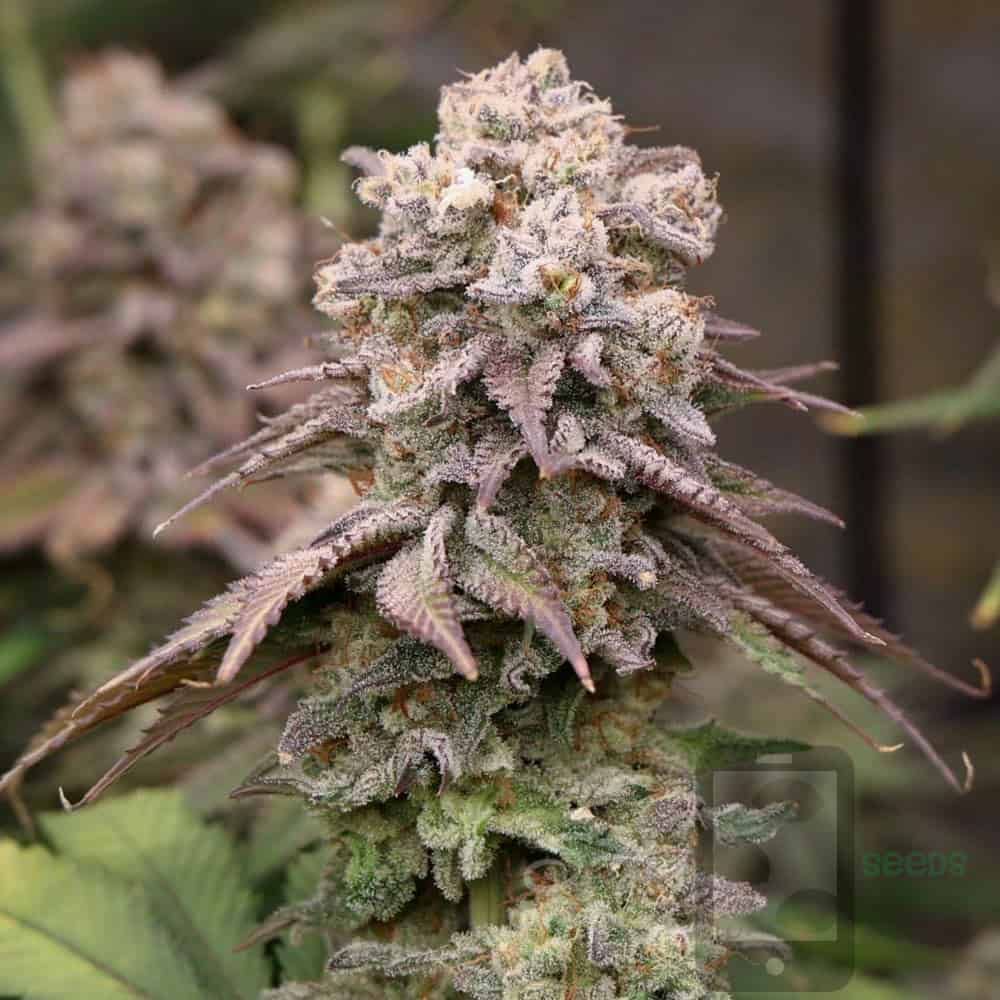
Indica vs sativa seeds is one of the first comparisons growers make. The labels can be a useful starting filter, but they are not a dependable promise of one plant’s height, flower structure, aroma, cannabinoid profile or finished experience. For seed buyers, the more useful question is: what is documented about the specific parent plant and the line behind it?
Indica, sativa and hybrid are broad navigation terms
In modern seed catalogs, indica/sativa ratios usually communicate a breeder’s shorthand for lineage, morphology or expected growth tendency. They should not be read as a mathematical prediction that every seed will express a fixed percentage of visible traits.
That caution is supported by studies of commercial cannabis flower: samples carrying indica and sativa labels were not cleanly separated by overall genetics or chemistry. One genomic study concluded that the common scale “poorly captures overall genomic and metabolomic variation.” [3] A large U.S. commercial-flower analysis likewise found that indica/hybrid/sativa labels did not consistently sort samples into distinct chemical profiles. Those findings concern tested flower, not every seed lot, but they are a good reason not to treat a catalog ratio as a guarantee. [3]
What to compare when choosing seeds
Use the label to narrow a large catalog, then compare the information that can actually help you plan a grow:
- Lineage: named parents and whether the seed is a selfed line or a cross.
- Parent documentation: photographs, videos, harvest notes and the reason that plant was selected.
- Growth traits: observed stretch, branching, stem strength, internodal spacing, flowering time and flower density.
- Selection traits: aroma, resin coverage, yield, ease of training, foliage and any weaknesses noted by the grower.
- Seed type: photoperiod versus autoflower, plus feminized S1 versus a two-parent cross.
Aroma descriptions and photographs are still descriptions of a parent or a particular observed run—not a promise that every seedling will match perfectly. But they are more decision-useful than an indica/sativa percentage alone.
Phenotype is where the label becomes real
A phenotype is the individual plant you can actually observe: its structure, vigor, flower form, resin, aroma and response to the environment. A seed line can carry a broad hybrid label while producing plants that differ meaningfully from one another. That is why phenotype hunting matters.
Our preference for observed performance comes from documented strain-hunt work, not category theory. In one HWGrow run, eight seed-grown strains were taken from seed to harvest side by side. The winning plant was selected for the grower’s own priorities—frost/THC, yield, structure, foliage and ease of growing—while another plant was personally preferred for flavor, smell and effects. That is an owner observation and preference, not a universal ranking system; its point is that the keeper emerged from visible performance in the same grow, rather than from a label on a package. [2]
Why ratios can still be useful
We still list indica/sativa estimates when they add context to a line. A 70/30 or 40/60 description may help a grower make an initial comparison between offerings, especially alongside lineage and parent images. The mistake is treating the number as a guarantee of sedating or energizing effects, a specific chemical profile, or identical plant structure from every seed.
S1 seeds make the parent plant easier to evaluate—but they are not clones
With a documented Selfie/S1, the pollen donor and seed-bearing plant originate from the same selected female. Selfie Seeds™ presents these lines with the selected parent phenotype, lineage, grow observations and breeding history so buyers can inspect the actual plant being preserved. [1]
That documentation is a major advantage: it lets a buyer judge a real parent rather than rely on a generic category. However, an S1 seed is still sexual progeny, not a genetic duplicate of the mother plant. Variation can appear when the parent carries heterozygous genes, and a research S1 population from one self-pollinated hemp plant showed extensive differences in growth, development and reproductive traits among offspring. [4] In practical terms, an S1 can be a focused way to explore a favorite documented phenotype, but each seed should still be grown and evaluated as an individual.
Bottom line: choose the evidence behind the seed
Use indica, sativa and hybrid as broad navigation terms. Make the final choice from the line’s documented parent plant, lineage, seed type and observed grow traits. If your goal is to find a keeper, the phenotype you grow and evaluate matters more than the label assigned before germination.
Sources & References
Source hierarchy prioritizes documented HWGrow/EVYGrows/SelfieSeeds experience. External evidence is supplemental where useful, with counterarguments included when relevant.
- [HWGrow / Owner Source] True Selfies
Selfie Seeds™ · Selfie Seeds™ · 2026
Quoted source: “These listings focus on the exact parent phenotype, lineage, grow observations and breeding history.”
Supports / context: Supports the description of Selfie Seeds™’ documented-parent approach to S1 listings. - [Owner Journal / First-Hand Record] Best Strain I Ever Grew – Strain Hunt 2022 – 7 Weed Strains Seed to Harvest
HowWeedGrow · HowWeedGrow · 2022
Quoted source: “In this grow, I grew 8 different strains from seed to harvest.”
Supports / context: Supports the owner’s documented side-by-side strain-hunt observations and stated selection priorities. - [Peer-Reviewed Journal] Cannabis labelling is associated with genetic variation in terpene synthase genes
Adams et al. · Nature Plants · 2021
Quoted source: “poorly captures overall genomic and metabolomic variation”
Supports / context: Supports the conclusion that common indica/sativa labels are not reliable summaries of overall genetic and chemical variation. - [Peer-Reviewed Journal] Genome-specific association study (GSAS) for exploration of variability in hemp (Cannabis sativa)
Trubanová et al. · Plant Methods · 2025
Quoted source: “The S1 population shows extensive variability in plant growth, development, and reproductive patterns.”
Supports / context: Supports the caveat that selfed offspring can vary substantially when the parent retains heterozygosity; the study used hemp, so this is presented as supporting genetic context rather than a direct prediction for every drug-type cannabis S1 line.
Related seeds for sale
GUTSO - Strawberry Banana x White Wedding · Green Dank Kamakazi - GDK · Strawberry Banana x White Wedding · Strawberry Sugar - White Wedding V2 Selfie Seeds™
Related Products


GUTSO - Strawberry Banana x White Wedding
$60.00 Ex Tax: $60.00

Green Dank Kamakazi - GDK
$100.00 Ex Tax: $100.00


Strawberry Banana x White Wedding
$75.00 Ex Tax: $75.00


Strawberry Sugar - White Wedding V2 Selfie Seeds™
$100.00 Ex Tax: $100.00