
Dankest Cannabis Strains: What “Dank” Actually Means in Genetics
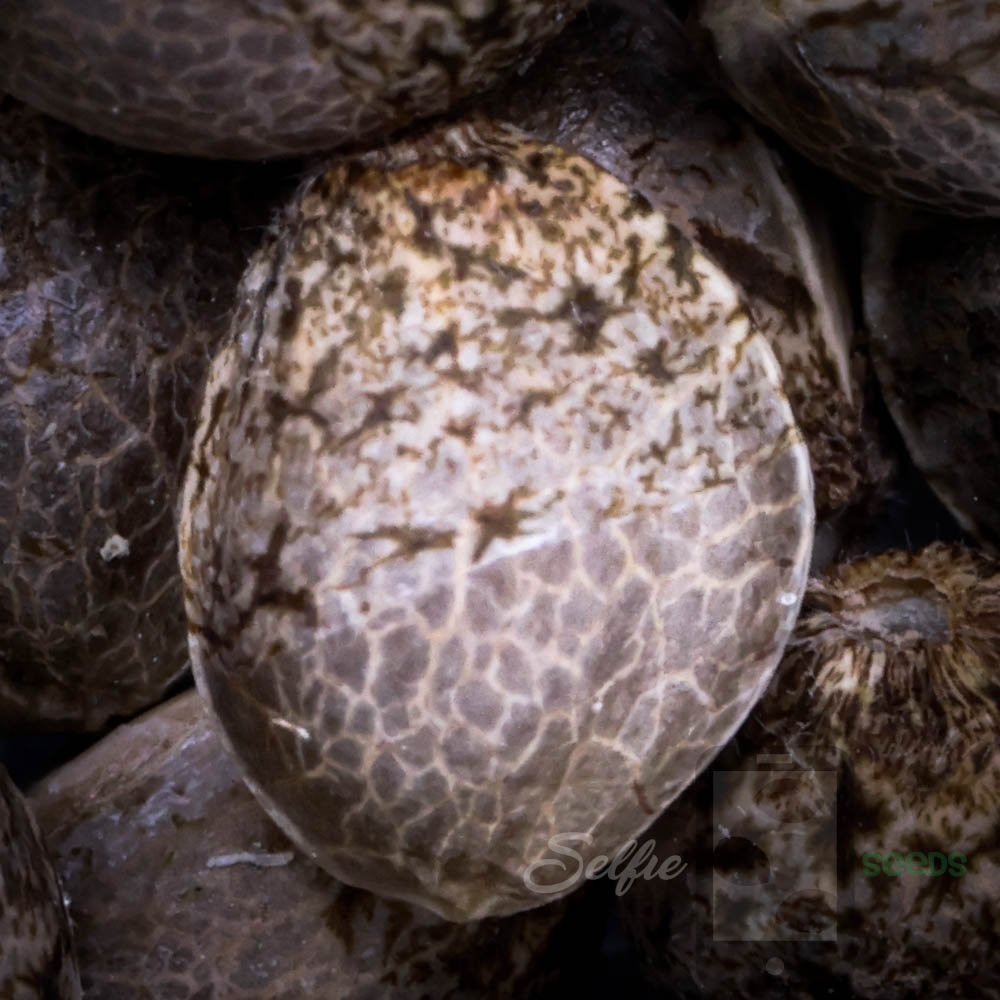
When growers search for the dankest cannabis strains, they are usually looking for flower with a loud, heavy, savory, gassy, earthy or funky presence—not simply the largest THC claim on a seed package. “Dank” is useful shorthand for that experience, but it is not a scientific cultivar category, a cannabinoid measurement or a guarantee that every seed-grown plant will express the same way.
The practical question is not whether a breeder uses the word. It is whether the listing explains the parent plants, the traits observed in those plants and the type of variation a grower should reasonably expect from seed.
Dank is an aroma-and-quality description, not a potency test
A pungent jar aroma, visible resin and strong effects can occur together, but they are separate observations. Aroma descriptions are sensory notes; identifying or quantifying specific volatile compounds requires analytical testing. Likewise, trichome coverage, purple color, density or stickiness should not be turned into an unsupported THC percentage. HWGrow’s review method separates appearance, aroma, cure, flavor, smoothness and experienced effects for that reason.[2]
For a fair comparison between plants or harvests, evaluate samples under similar storage and review conditions. Note the aroma before and after breaking up the flower, then record plain-language descriptors such as diesel, rubber, onion, earth, fuel, savory sweetness or fermented fruit. Those notes are more useful to a grower than a generic “super dank” label.[2]
What “dank” means in breeding selections
In a breeding context, “dank” should describe why a particular parent was retained: it may consistently stand out for aroma intensity, a recognizable savory/gassy identity, resin production, flower presentation or a combination of those traits. It does not mean every offspring will be equally loud, nor does it establish a fixed chemical profile across every phenotype.
- Aroma intensity: Does the plant distinguish itself among other flowering cultivars?
- Aroma identity: Are the notes meaningfully describable and repeatable in grow and post-harvest notes?
- Resin and flower quality: Are visible resin, texture and finished-flower presentation strong traits rather than photo-only claims?
- Structure: Can the plant carry its flower production, or does it need deliberate training and support?
- Repeatability: Did the trait remain notable through the full grow, drying and cure—not only at peak visual ripeness?
A documented Selfie Seeds™ example: GDK
Green Dank Kamakazi (GDK) is used by Selfie Seeds™ as a parent when the goal is to bring a more aggressive savory or funky direction into a pairing rather than stay entirely in fruit-and-candy territory. That is a breeder selection observation, not a promise that all GDK offspring will smell identical.
The GDK x Joker Juice listing documents GDK as the receiver and describes the donor as a Temptation × Jokerz Candy selection. The owner notes anticipate a sweet-and-savory combination, strong bag appeal, heavy resin and a tall, lanky structure that may benefit from stronger early-flower lighting and grower management.[1] Those are breeder expectations based on the selected parents and should be treated as a starting point for a phenotype hunt, not as independently verified results for every seed or harvest.
S1 or cross: which is better for a dank hunt?
If your priority is staying closer to a known aromatic parent, browse True Selfies and consider an S1. Selfing can be a practical route for growers who want to explore expressions related to one standout parent, while still recognizing that seed-grown plants can vary.
If you want to search for a new aromatic combination—gas with berry, savory notes with candy, or funk with purple-flower presentation—a cross offers a broader hunt. Neither format is automatically “danker.” The better choice depends on whether you want a closer study of one parent or more recombination and selection opportunity.
How to shop for genuinely loud genetics
- Read the parent notes. Look for specific observations about aroma, structure, resin and finish rather than only hype words.
- Separate claims from results. A breeder’s projected outcome is useful context, but a completed grow report and finished-flower review carry more weight.
- Ask what was actually evaluated. Photos can show color and resin; they cannot prove aroma intensity, THC percentage, smoke quality or safety.
- Keep your own notes. Label samples neutrally when possible, compare them under similar conditions and record aroma, flavor, smoothness and effects separately.[2]
- Choose the aromatic direction you actually enjoy. If you prefer fruit and candy over gas and savory funk, compare the Sweet collection rather than assuming “dankest” means best for your preference.
Bottom line: the dankest cannabis strains are not defined by a universal ranking or a single THC number. For Selfie Seeds™, the useful standard is a documented parent with a distinct, memorable aromatic identity—followed by honest phenotype selection and post-harvest evaluation.
Related: browse Dank genetics, compare sweet cannabis strains, or read what S1 cannabis seeds can—and cannot—promise.
Sources & References
Source hierarchy prioritizes documented HWGrow/EVYGrows/SelfieSeeds experience. External evidence is supplemental where useful, with counterarguments included when relevant.
- [HWGrow / Owner Source] GDK x Joker Juice
Selfie Seeds™ / HowWeedGrow · Selfie Seeds™ · 2026
Quoted source: ““Terpenes will hit a sweet and savory combo.””
Supports / context: Documents the listed GDK x Joker Juice parentage and the owner’s projected aroma, structure, resin, presentation and yield observations. The revised article labels these as breeder expectations rather than guaranteed offspring outcomes. - [Owner Journal / First-Hand Record] Cannabis Smoke Report: How to Review Bud Quality
HowWeedGrow · HowWeedGrow · 2026
Quoted source: ““It does not replace laboratory potency, contaminant or safety testing.””
Supports / context: Supports separating personal sensory review categories from laboratory cannabinoid, terpene, contaminant and safety testing, and supports consistent side-by-side review practices.
Related seeds for sale
Space Juice x GxS(Double Grape x Sweet Slurry) · Space Juice x Sweet Slurry · Green Dank Kamakazi - GDK · GDK x Joker Juice
Related Products


Space Juice x GxS(Double Grape x Sweet Slurry)
$60.00 Ex Tax: $60.00


Space Juice x Sweet Slurry
$50.00 Ex Tax: $50.00

Green Dank Kamakazi - GDK
$100.00 Ex Tax: $100.00


GDK x Joker Juice
$60.00 Ex Tax: $60.00